preloader

Urban planning and sustainable building design

An alternative for cities and buildings

We develop solutions for cities and buildings which reduce investment and maintenance costs, improve its inhabitants quality of life and have better environmental and energy performance.


More than 50 cities benefited with our work.

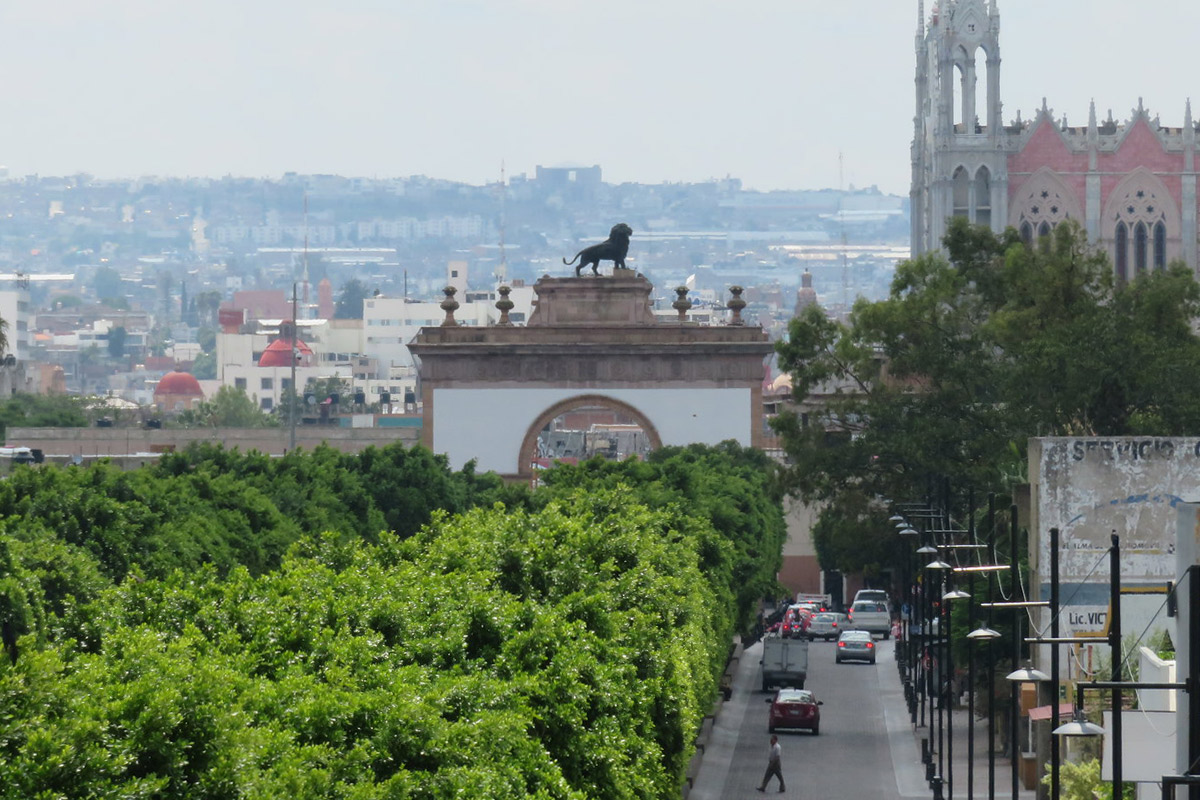
Urban Growth Scenarios to evaluate the benefits of urban densification strategies.

León, Guanajuato, México

2019 - 2020

Urban Growth Scenarios to evaluate the benefits of urban densification strategies.

Client(s)

German Agency for International Cooperation (GIZ) and City Government of León, Guanajuato, Mexico

¿What was it about?

The project consists of the development of urban growth scenarios to analyze the benefits of urban densification in previously identified vacant lots within the city of León, Guanajuato. The project is a collaboration with the German Agency for International Cooperation (GIZ) to support the urban planning process in the city of León, Guanajuato.

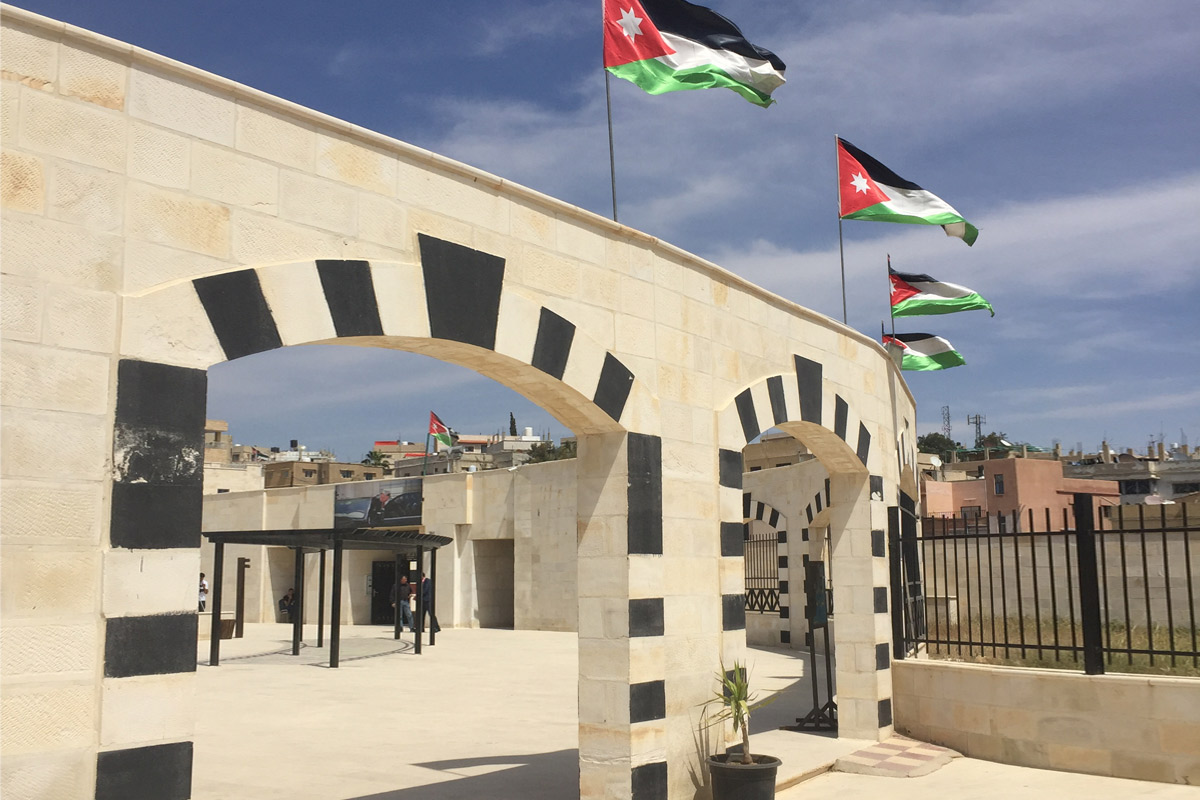
Urban Growth Scenarios for the Hashemite Kingdom of Jordan

Amman, Irbid, Zarqa, Russiefa and Mafraq, Jordan

2017-2018

Urban Growth Scenarios for the Hashemite Kingdom of Jordan

Client(s)

World Bank Group and Korean Green Growth Trust Fund

¿What was it about?

Through modeling urban scenarios, the Jordanian national government and local authorities in Amman, Irbid, Russeifa, Zarqa and Mafraq evaluated strategies and investments to drive long-term sustainable urban development in the country. The study compares different urban growth alternatives for the five cities. Through the study, the impact of different public policies on the environmental, social and economic aspects was quantitatively compared, informing decision makers and generating consensus on the policies that provide greater benefits. The project was developed with funds from the Korean Green Growth Trust Fund through the World Bank Group.

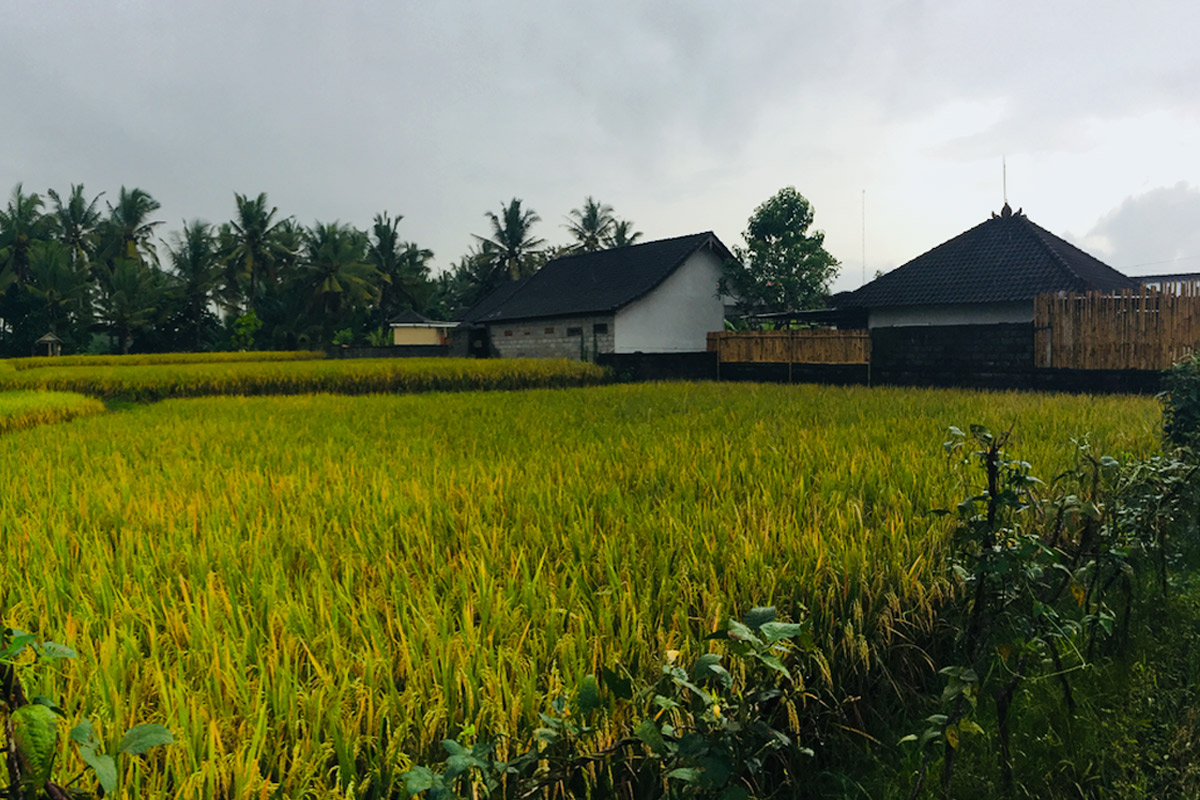
Urban Growth Scenarios for Indonesia

Denpasar, Semarang and Palu, Indonesia

2017-2018

Urban Growth Scenarios for Indonesia

Client(s)

World Bank Group, Korean Green Growth Trust Fund and National Government of Indonesia

¿What was it about?

The Urban Growth Scenarios for Indonesia was funded by the Korean Green Growth Trust Fund through the World Bank Group to assess development paths for two Indonesian cities –Semarang and Denpasar. Urban growth scenarios were developed adapting two tools: Suitability and Urban Performance. The tools were used to visualize impacts of different public policies on the environmental, social and economic dimensions. The scenarios included different urban public policies in terms of housing availability, water efficiency, energy consumption, costs-revenues balance and greenhouse gases emissions, thus estimating environmental, social, and economic indicators for each urban growth path option. Additionally, the benefits and drawbacks of different combinations of public policies, projects and conditions were assessed to reach consensus about the best development path. Stakeholders participated in a series of capacity building and technology transfer workshops. Finally, as an extension for the project, we proposed new land regulations for Palu, after the 2018 earthquake and tsunami.

Municipal Spatial Data Infrastructure in Samarkand

Samarkand, Uzbekistan

2024

Municipal Spatial Data Infrastructure in Samarkand

Client(s)

World Bank

¿What was it about?

The objective of this engagement was to foster a city-level spatial data ecosystem that enabled informed planning, improved coordination, and more efficient use of public resources. The project was based on the IPDS methodology developed under the World Bank’s City Planning Labs (CPL) initiative, which applied a four-pillar framework: Institutions (policies, regulations, and practices for creating, managing, sharing, and updating data), People (technical capacities, number of qualified personnel, and roles), Data (type and quality of available datasets), and Systems (software and hardware). The technical assistance was structured into four phases: (1) an assessment of existing geospatial datasets in Samarkand; (2) an assessment of the city’s MSDI readiness across the IPDS framework; (3) the formulation of an MSDI Roadmap based on the assessment findings; and (4) the development of a Capacity-Building Strategy for the city government.

Guiyang Green Urban Development Project

Guiyang City, China

2024

Guiyang Green Urban Development Project

Client(s)

World Bank

¿What was it about?

The project estimated GHG emissions, carbon sequestration, and heat islands in Guiyang. forecasting their evolution under business-as-usual and alternative growth scenarios for 2050. It will focus on the citywide benefits of carbon reduction, nature-based solutions, and sequestration policies, particularly in the Aha Lake area. Key activities include analyzing available data, developing a GHG emission profile, assessing carbon sequestration potential through afforestation and reforestation, modeling future emissions and sequestration scenarios, identifying extreme heat exposure and estimating the benefit of using nature based solutions for heat management, carbon sequestration, flood prevention, natural conservation, and urban footprint containment.

Municipal Spatial Data Infrastructure (MSDI) Implementation in Amman, Jordan

Jordan

2024

Municipal Spatial Data Infrastructure (MSDI) Implementation in Amman, Jordan

Client(s)

World Bank

¿What was it about?

Improved the Municipal Spatial Data Infrastructure (MSDI) in the Greater Amman Municipality (GAM) by assessing its data, institutions, people, and systems framework. Based on the assessment findings, the project developed a comprehensive Road Map to strengthen spatial data management for improved urban planning and public service delivery. Additionally, the intervention included delivery of capacity development workshops covering data governance, urban planning tools, and open data policies, alongside a long-term capacity building strategy.

Technical Assistance for Municipal Spatial Data Infrastructure (MSDI) Implementation in Kenya

Kenya

2024

Technical Assistance for Municipal Spatial Data Infrastructure (MSDI) Implementation in Kenya

Client(s)

World Bank

¿What was it about?

Assisted three Kenyan cities—Kathwana, Kitengela, and Nakuru—in establishing a robust Municipal Spatial Data Infrastructure (MSDI) to facilitate data-driven decision-making for effective urban planning and governance. The technical support entailed conducting a comprehensive initial assessment across all three locations. Following the evaluation, one municipality received target assistance in developing an MSDI Roadmap, while the remaining two benefited from tailored technical assistance.

We help design and manage sustainable cities

that promote social justice, economic development, energy efficiency and good environmental performance.